Main Introduction
Residential Artificial Turf Installation
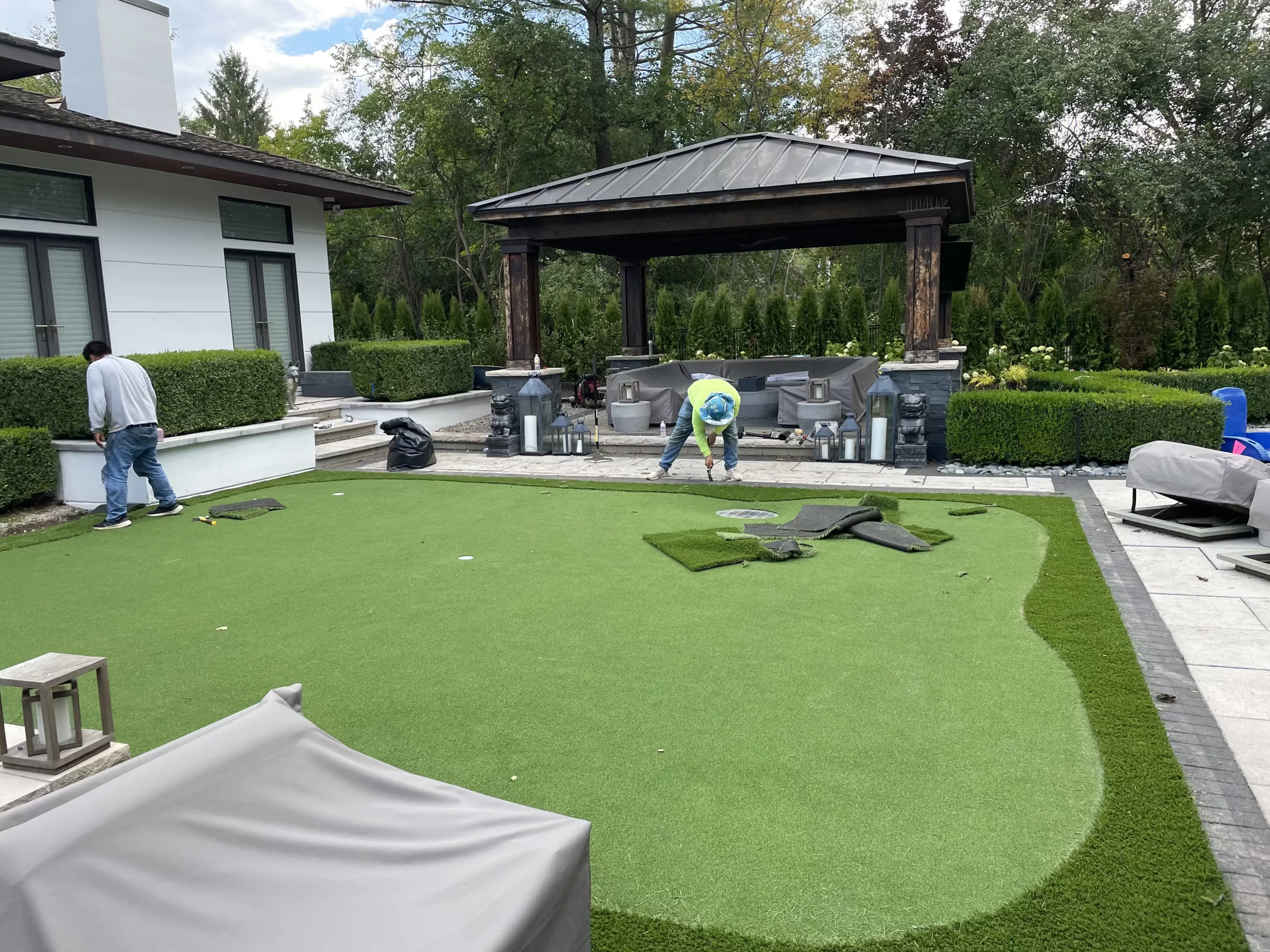
Residential Artificial Turf Installation in Missouri City, TX carries different planning requirements depending on which master-planned community and which builder phase the home sits in. The original Sienna Plantation phases built in the early 2000s have landscape precedent and aged HOA procedures that are relatively straightforward to navigate. The post-2018 Sienna sub-village phases in Avalon, Bees Creek, and Heritage Park — and the Newland Communities sections built after 2018 in Aliana's eastern overlap — represent a different planning environment. Deed restriction updates, newer ARC composition, and fresher HOA boards with stricter enforcement postures mean that residential turf installations in these addresses need pre-installation HOA coordination rather than post-installation approval requests.
Riverstone's Trammell Crow newer residential phases present a similar dynamic. The western Riverstone sections near University Boulevard that were completed between 2019 and 2023 have HOA landscape language that is more specific about pile height, infill type visibility, and turf tone on street-facing yard sections than older sections of the same development. Homeowners in these addresses who call us after an installation denial from the ARC almost always describe a situation where the product was selected and installed before anyone confirmed the HOA approval path. We start from the other direction — confirming HOA parameters first, then selecting a compliant product, then scheduling installation.
Marvida's newest residential phases in the Cypress-Missouri City border area carry Newland's newest landscape standards. These homes are still in active builder-warranty cycles in many cases, which creates a specific planning consideration: the builder's landscaping warranty and the homeowner's turf installation scope need to be clearly separated so a future drainage or grade dispute with the builder is not complicated by an undocumented turf installation over the original graded surface. We address this through documentation — recording base preparation scope, depth, and drainage integration in the project closeout so the homeowner has a clear record.
Fort Bend County's rainfall patterns, particularly the concentrated storm events that have affected the Sienna and Riverstone drainage network since 2019, make base drainage planning a non-optional element of residential turf installation in this corridor. Homes in the Bees Creek drainage basin and properties along the Brazos floodplain edge in the Richmond-Rosenberg overlap carry specific runoff behavior that a standard crushed granite base does not address adequately. We plan drainage from the site observation stage — not from a default spec sheet.